
The landscape of user interface design continues to evolve at a remarkable pace. As we navigate through 2026, the principles that guide exceptional interface design have matured beyond simple aesthetics into a holistic approach that considers human psychology, accessibility, performance, and emotional impact. Whether you're a seasoned designer or just beginning your journey, understanding these principles is crucial for creating interfaces that truly resonate with users.
The Evolution Beyond Flat Design
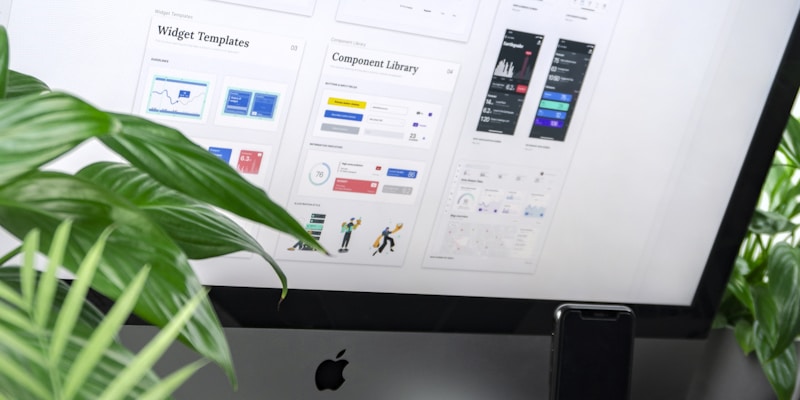
Flat design dominated the previous decade, stripping away skeuomorphic elements in favor of clean, minimal interfaces. While this approach brought significant benefits in terms of performance and clarity, it also led to a certain visual homogenization where products began to look indistinguishable from one another. Today's leading interfaces are embracing a more nuanced approach that balances simplicity with depth, using subtle shadows, layered surfaces, and thoughtful micro-animations to create a sense of dimension without returning to heavy skeuomorphism.
This evolution, often called "neumorphism" or more broadly "rich transparency," creates interfaces that feel tangible and real while maintaining the performance benefits of flat design. The key lies in restraint—using these visual techniques sparingly and purposefully to guide attention rather than distract from content.
Accessibility as a Foundation, Not an Afterthought

In 2026, accessibility has transformed from a compliance checkbox into a fundamental design principle that improves experiences for all users. The recognition that designing for people with disabilities often leads to innovations that benefit everyone has become widely accepted in the design community. From keyboard navigation that power users appreciate to color contrast that helps everyone in bright sunlight, accessibility features frequently become beloved universal features.
Modern accessibility goes beyond WCAG compliance (though that remains essential). It encompasses cognitive accessibility—designing for users with dyslexia, ADHD, or processing differences. It includes motor accessibility for users who cannot use a mouse or touch screen precisely. The most sophisticated designers now consider sensory accessibility, ensuring that their interfaces don't rely too heavily on any single sense.
"Good design is inclusive design. When we remove barriers for the most vulnerable users, we create better experiences for everyone."
The Psychology of Micro-Interactions

Micro-interactions are the subtle animations and responses that occur when a user interacts with interface elements. A button that subtly scales when pressed, a toggle that smoothly slides into place, a form field that gently highlights when focused—these small details accumulate to create an interface that feels alive and responsive. In 2026, the thoughtful use of micro-interactions has become a hallmark of premium design.
The psychology behind micro-interactions is grounded in feedback loops. Humans expect their actions to produce responses. When we press a physical button, we expect to feel it click. Digital interfaces that don't provide this feedback feel unresponsive and uncertain. Micro-interactions bridge this gap by providing the confirmation and feedback our brains expect.
However, the key to effective micro-interactions is restraint. Too much animation creates visual noise and can actually harm the user experience by slowing down task completion. The best micro-interactions are subtle, quick, and meaningful—they communicate something important without demanding attention.
Performance as a Design Principle

No matter how beautiful an interface is, if it loads slowly or responds sluggishly, users will perceive it as poorly designed. In 2026, performance has become inseparable from design. The best designers think about performance from the very first sketch, considering how their visual choices impact loading times, rendering speed, and interaction responsiveness.
This means making conscious decisions about image resolution, animation complexity, and the number of elements rendered on screen. It means designing loading states that feel intentional rather than broken. It means creating interfaces that feel fast even when network conditions are poor, through aggressive caching, lazy loading, and progressive enhancement.
Emotional Design and Human Connection

Beyond usability and aesthetics lies the realm of emotional design—the practice of creating interfaces that forge genuine connections with users. Products that make users feel understood, appreciated, and even delighted create loyalty that goes beyond functional utility. In an increasingly competitive market, this emotional dimension often determines which product users choose among functionally similar alternatives.
Emotional design manifests in many ways: a friendly error message that doesn't make users feel stupid, a onboarding experience that feels like a warm welcome rather than a checklist, empty states that use illustrations and copy to maintain a positive tone, and confirmation screens that celebrate user achievements. These moments might seem minor in the grand scheme of a product, but they accumulate into the overall feeling users have about a brand.
Conclusion
The principles of modern UI design in 2026 reflect a maturing discipline that balances multiple competing needs. Beautiful, accessible, fast, and emotionally engaging—these goals aren't mutually exclusive, but achieving all of them requires thoughtful prioritization and deep understanding of user needs. As you approach your next design project, consider how these principles apply to your specific context. The interfaces that will define the coming years aren't just technically proficient—they're genuinely human.